Electrochemical decarbonization of cement production
TECHNOLOGY OVERVIEW
Designed to remove process emissions at their source
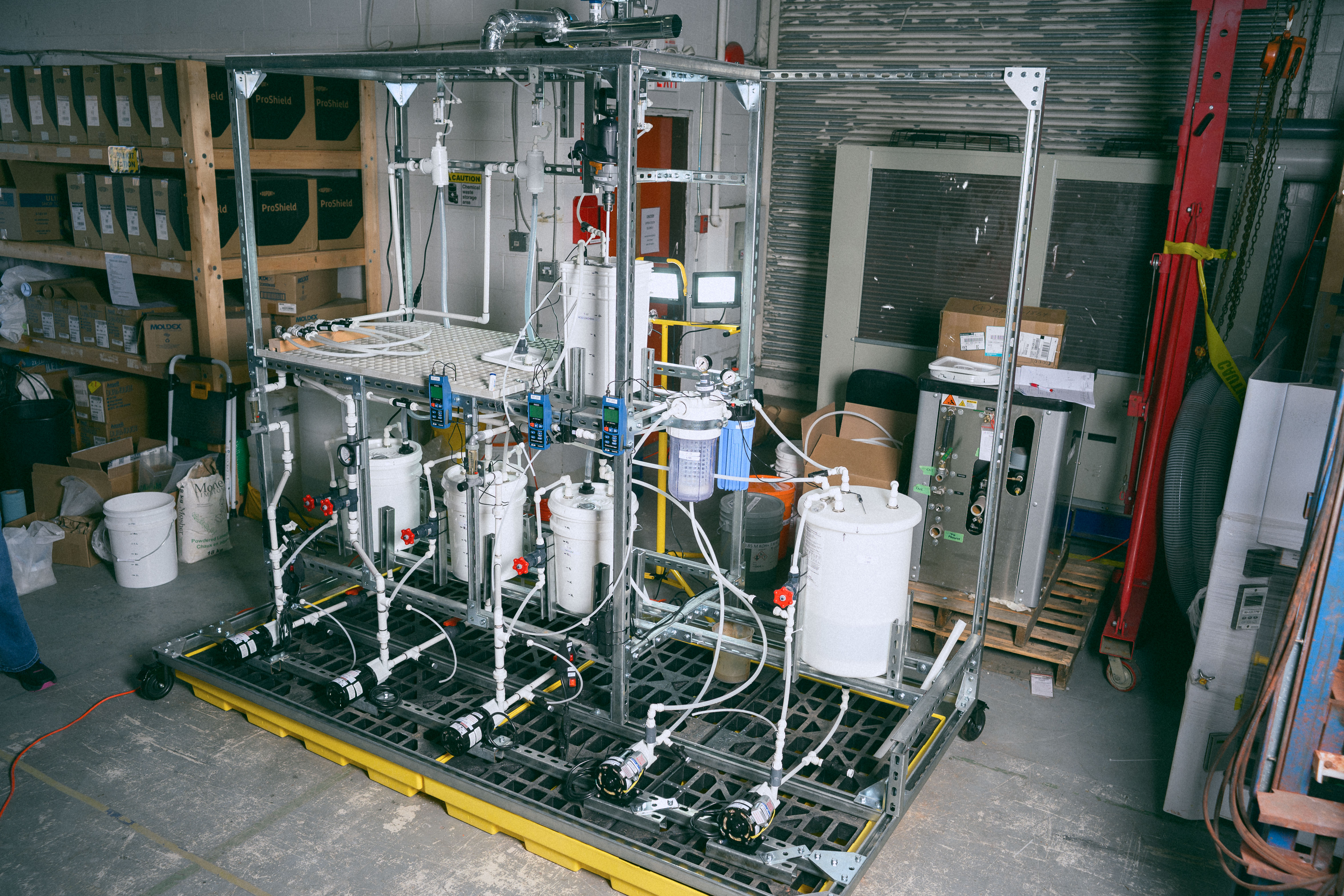
CURA has developed an electrochemical system that targets cement’s largest source of emissions: CO₂ released during limestone calcination.
Rather than focusing solely on fuel switching or alternative feedstocks, the approach addresses emissions embedded in clinker chemistry — enabling meaningful reduction while preserving existing production systems.
PROCESS EMISSIONS
Why process emissions dominate cement’s footprint


Chemical origin
When limestone is heated to form cement, CO2 is released as part of a chemical reaction. These emissions are inherent to the material itself.

Not solved by fuel switching
Electrification and alternative fuels reduce combustion emissions, but they do not eliminate process CO2.

Growing proportion of total emissions
As energy systems decarbonize, process emissions represent an increasing share of cement’s overall footprint.

Structural constraint
Without direct intervention in the calcination pathway, these emissions persist regardless of efficiency improvements.
HOW IT WORKS
Addressing emissions at the source

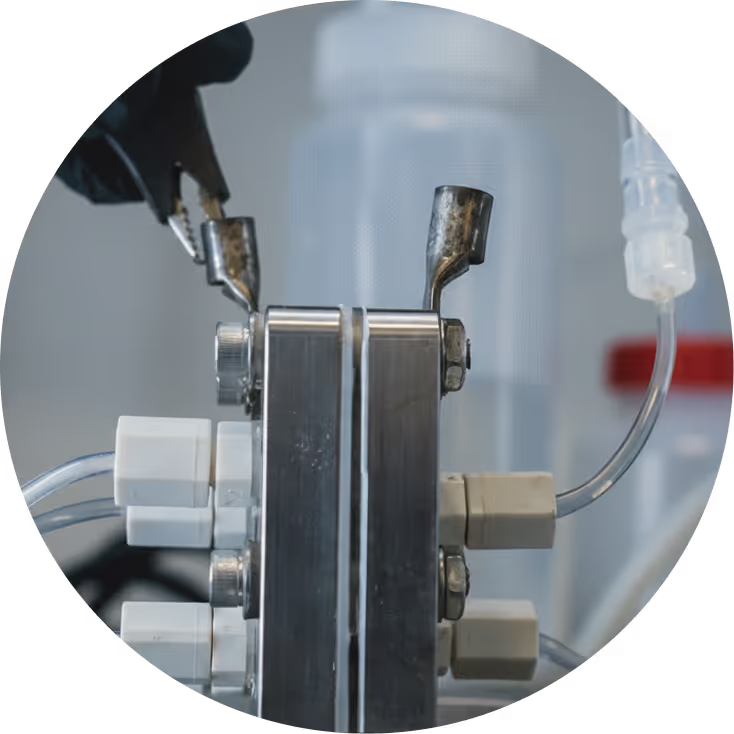
Electrolysis
Water is split into acid and base using electricity

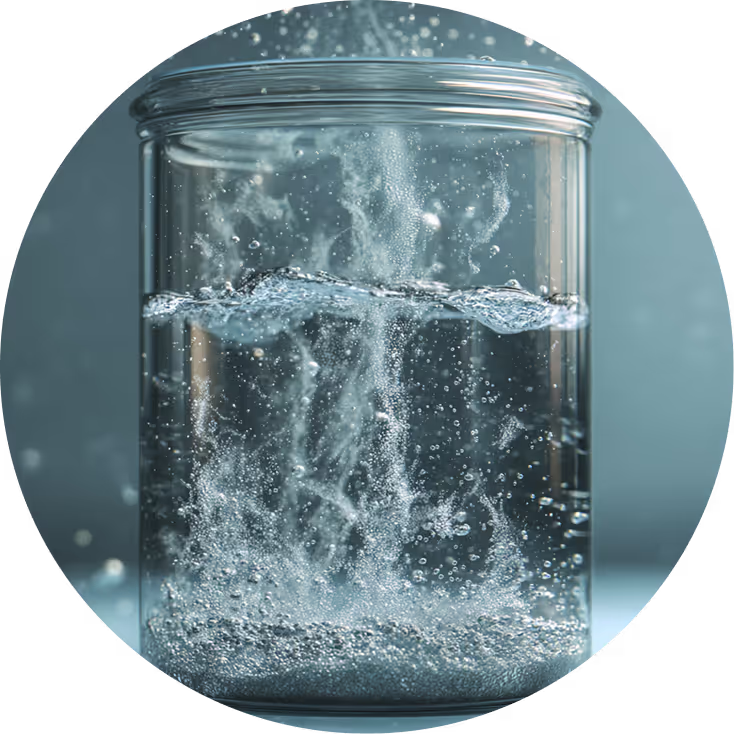
Leaching
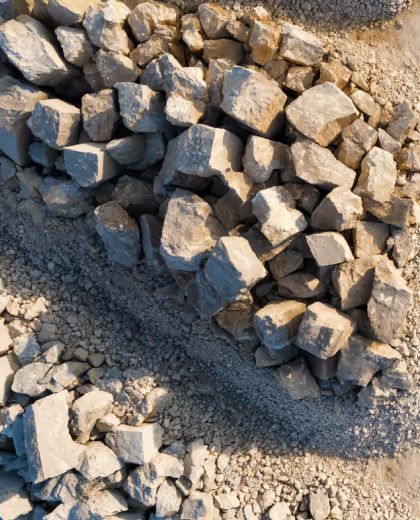
Acid is used to split limestone into calcium ions and pure CO2 for storage of utilization

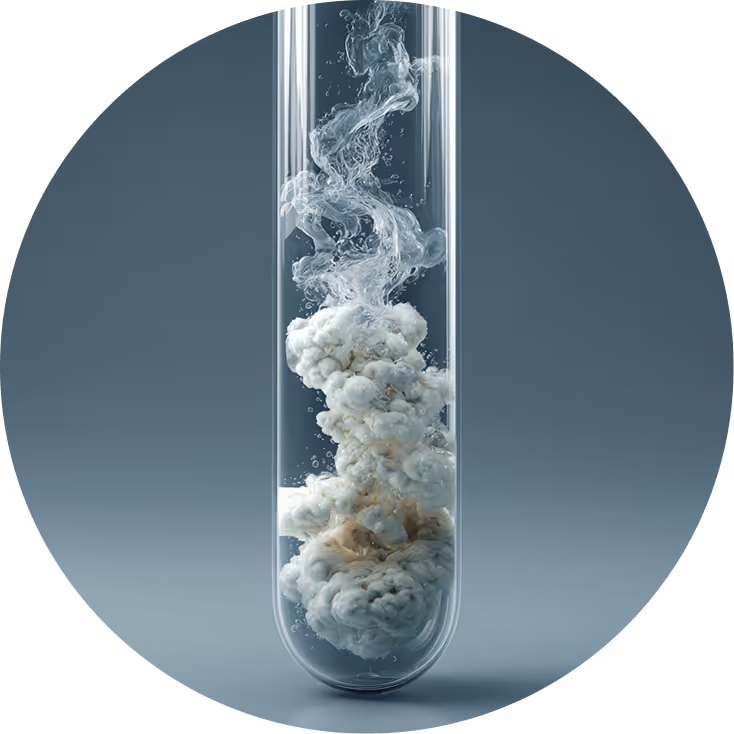
Precipitation
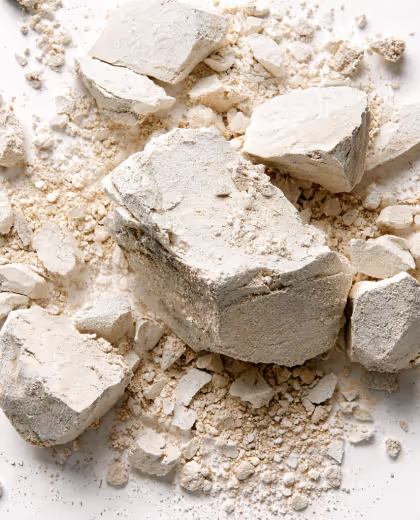
Base reacts with calcium to produce hydrated lime, a key feedstock for Cement

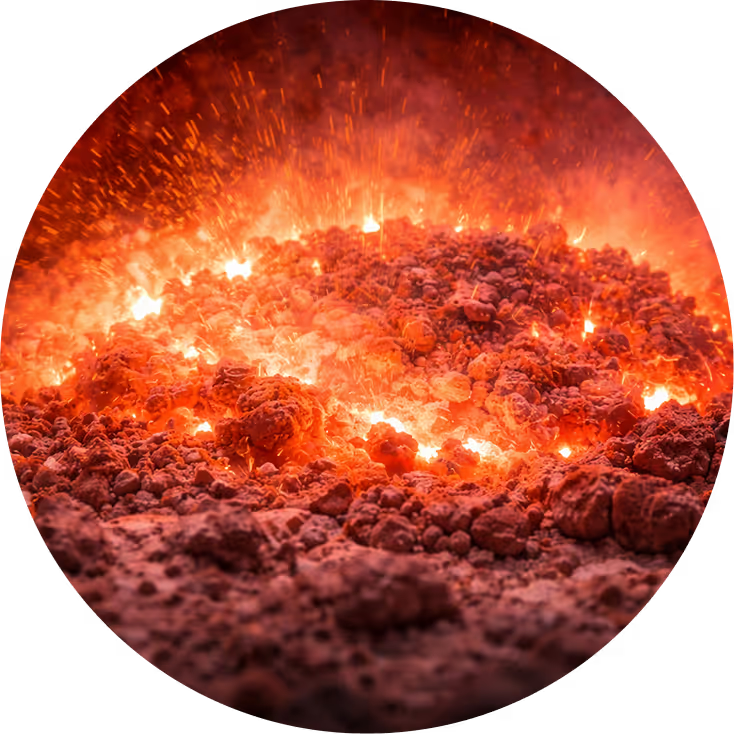
Heating
Lime is combined in a raw meal mix and heated to produce Ordinary Portland Cement
00.0
1
2
3
4











Infrastructure Reality
CURALYTETM
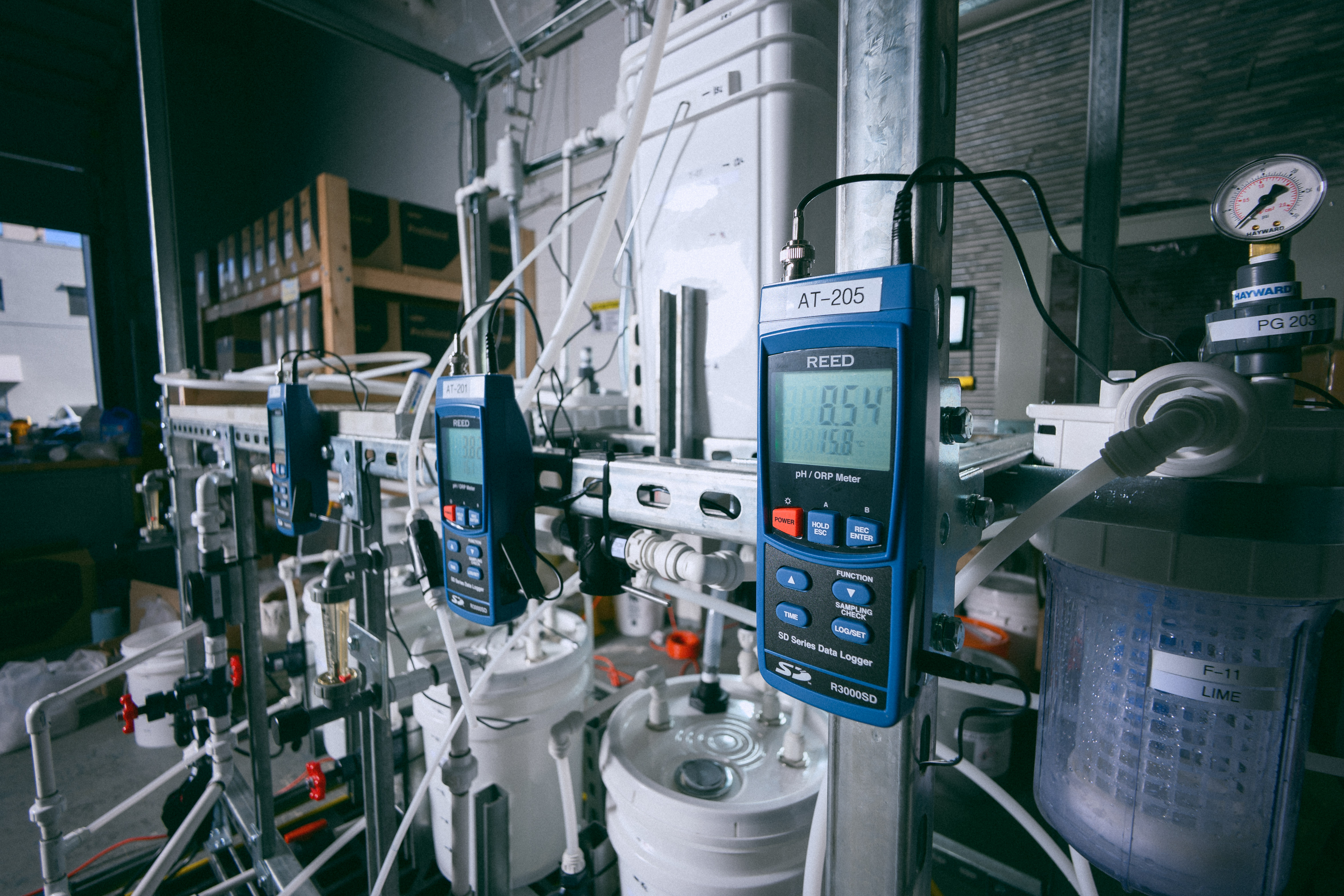
Enabling low-energy electrochemical acid and base production
0101.svg)
0404.svg)
0303.svg)
0202.svg)
PROGRESS ROADMAP
From validation to commercial deployment
CURA is advancing its technology through staged validation, from laboratory proof to pilot-scale.
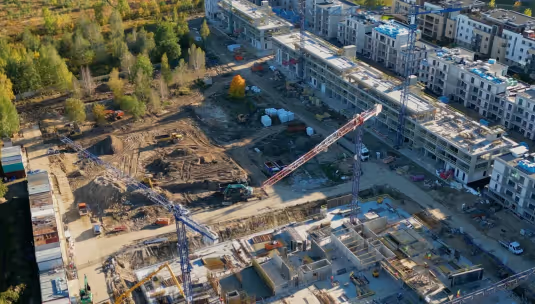
2022-2025
University lab validation at the University of British Columbia

Nov 2025
Emergence from stealth

Dec 2025
Pre-Seed Round with Amplify Capital, Zacua Ventures and UCeed
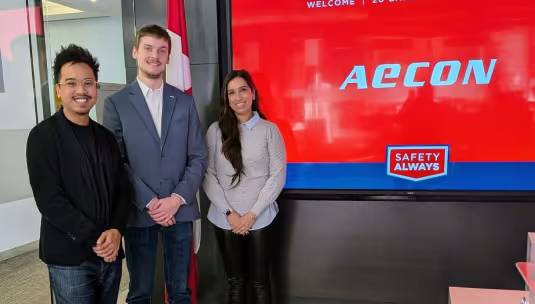
Mar 2026
MOU partnerships with Aecon and Acciona

Mar 2026
Sylvera life-cycle analysis third party validation of 85% emissions reduction
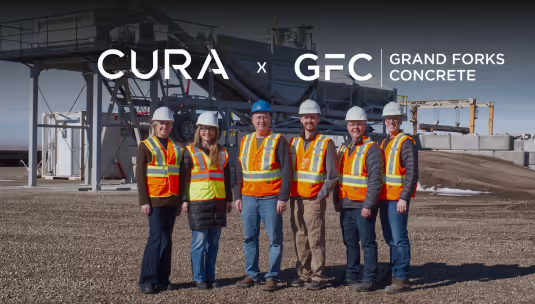
DEC 2026
100 TPA pilot with Grand Forks Concrete
THE CURA ECOSYSTEM
Partners & Collaborators
CURA works alongside industrial operators, academic institutions, and strategic collaborators to validate and scale its upstream approach.
Our focus is disciplined progress from laboratory validation through pilot deployment.
Our focus is disciplined progress from laboratory validation through pilot deployment.















An upstream approach to cement decarbonization
CURA is building a practical pathway for producers to reduce process emissions this decade — without replacing their plants.